EN
 SP
 FR

- Home
- About Us
- Products
- Service
- Project
- News
- Contact Us
Pulished on Sep. 19, 2023
Quick installation and removal: As a sustainable solution, Canada temporary fence has the advantage of quick installation and removal. Temporary construction sites often require security fencing to be set up at short notice to ensure safety and order on the site. Canada temporary fence adopts modular design and can be quickly assembled and installed, saving time and human resources. Likewise, this kind of fence can be quickly dismantled when the need on the construction site is over, reducing unnecessary dwell time and waste of resources. This quick installation and removal makes Canada temporary fence a sustainable choice for temporary construction sites.

Reusability: Canada temporary fence is reusable, helping to reduce resource consumption and waste generation. Compared to single-use temporary fences, Canada temporary fences are made from durable materials that can be reused on multiple projects. This reusability not only saves material usage but also reduces the cost of the fence. By maximizing the life of the fence, Canada temporary fence reduces the need for new materials and promotes sustainable use of resources.

Safety and Protection: Safety is a vital consideration on temporary construction sites. Canada temporary fence provides a reliable safety barrier to ensure safety and protection on the job site. It prevents unauthorized personnel from entering the worksite, reducing accidents and potential safety risks. The sturdy structure and safety design of Canada temporary fence prevent the fence from overturning or being damaged, ensuring the stability of the construction site. By providing safety and protection, Canada temporary fences help create a safe work environment that protects workers and the public.
Environmental friendliness: Canada temporary fence has advantages in environmental friendliness. It is usually made from recyclable materials, such as steel or aluminum alloys, and can be recycled and reused at the end of its life. In addition, the production process of Canada temporary fence requires relatively little energy consumption and carbon emissions. Canada temporary fences contribute to sustainable building practices by reducing the use of non-renewable resources and reducing environmental impact.
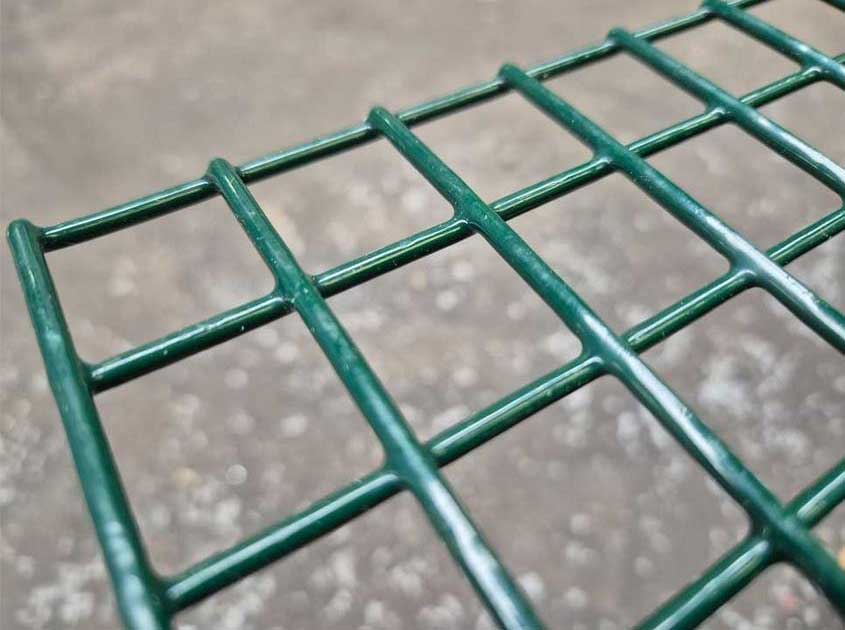
How to Select the Right Wire Diameter for Welded Wire Fence? A Practical Buyer’s Guide
Pulished on Nov. 18, 2026
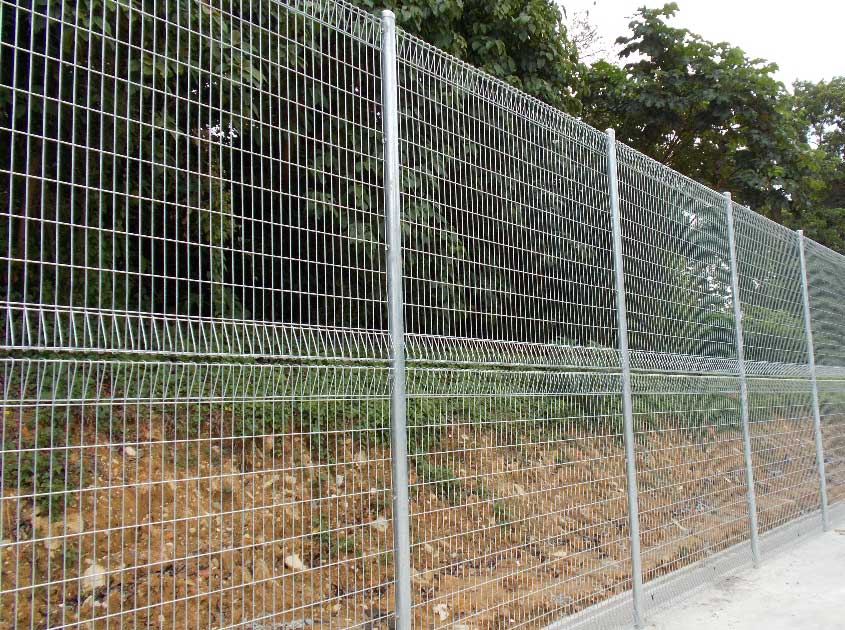
What Mesh Size Is Best for Welded Wire Fence? A Practical Selection Guide
Pulished on Nov. 09, 2026
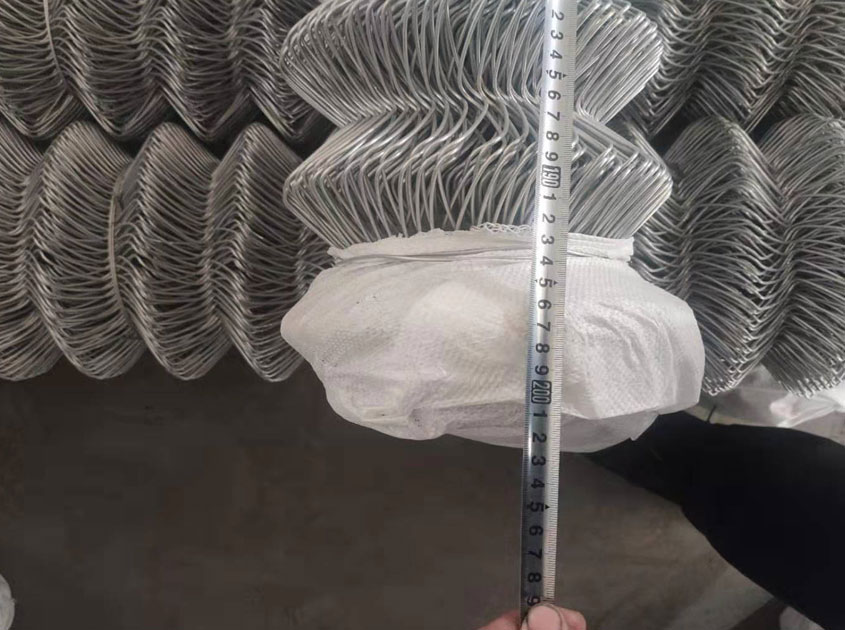
How Much Does Chain Link Fence Cost? A Complete Guide to Material Prices, Shipping and Project Costs
Pulished on Oct. 27, 2026
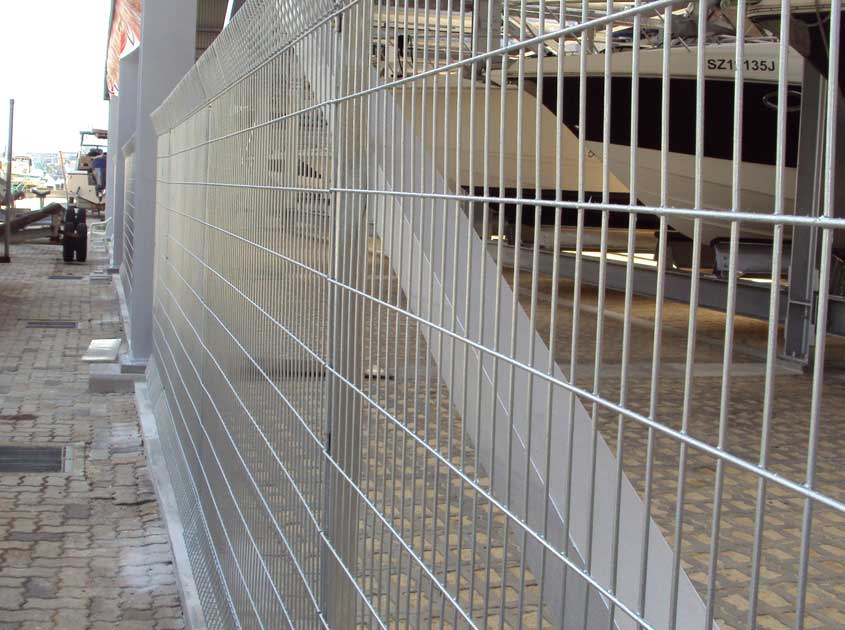
How to Install a Welded Wire Fence: A Step-by-Step Guide for Contractors
Pulished on Oct. 23, 2026
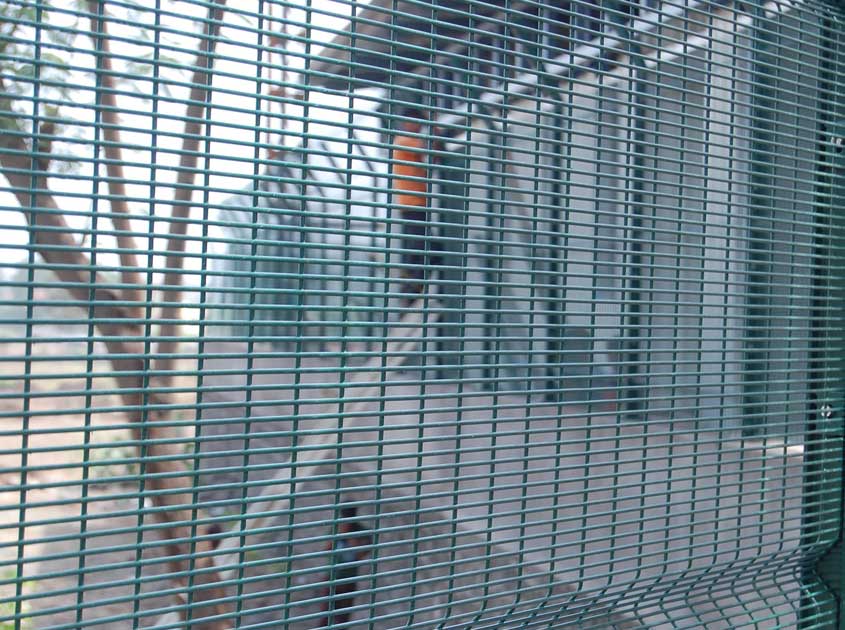
358 Fence vs Welded Wire Fence: Which Is Better for Your Project?
Pulished on Oct. 20, 2026
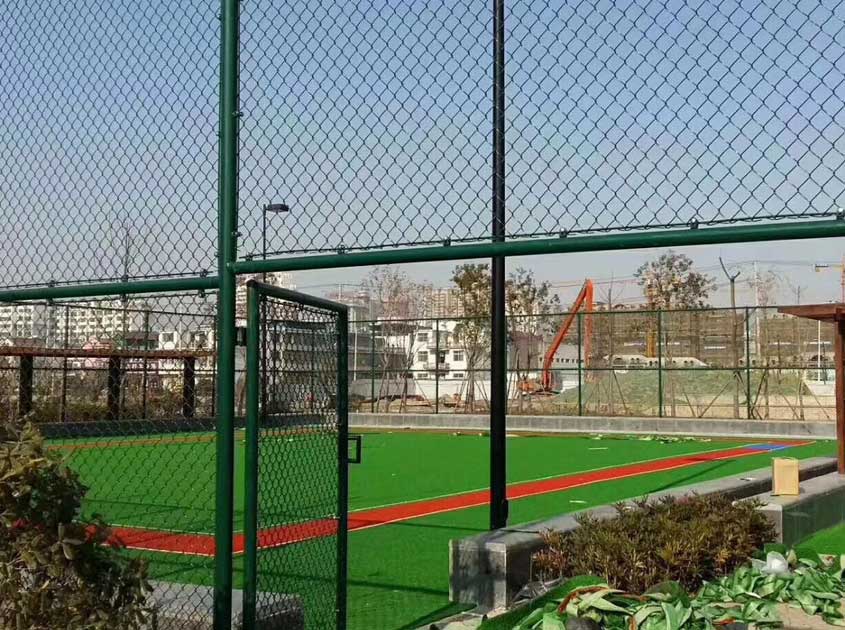
What Are the Advantages of Chain Link Fence? 8 Benefits for Commercial and Industrial Projects
Pulished on Oct. 16, 2026
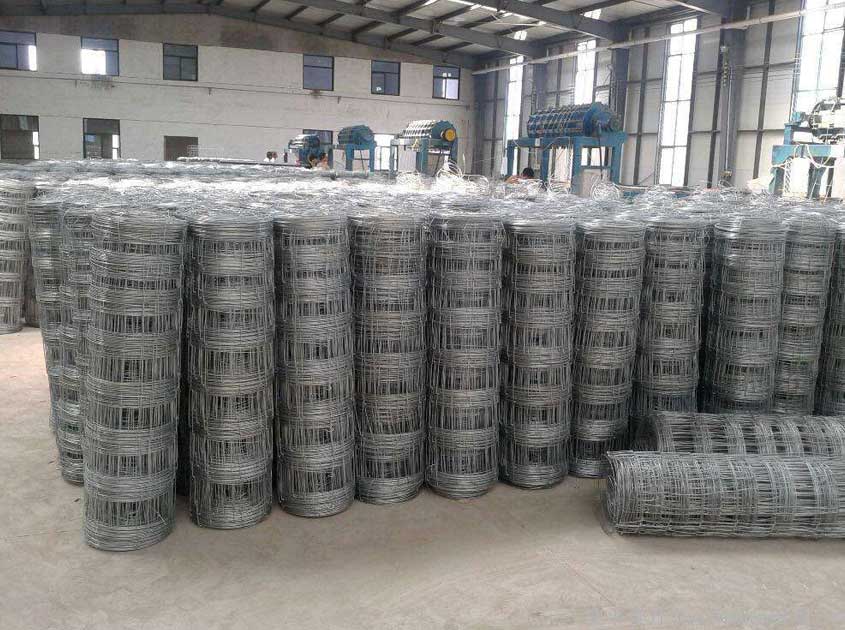
How to Choose Farm Fence for Cattle and Horses: Wire, Height and Design Guide
Pulished on Sep. 23, 2026
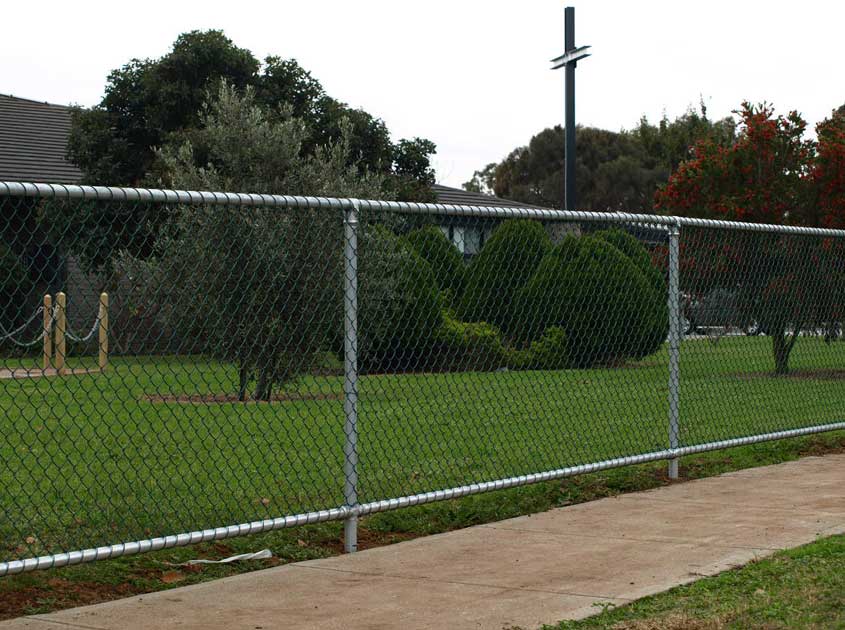
How Is Chain Link Fence Made? Manufacturing Process and Components
Pulished on Sep. 18, 2026
How to Select the Right Wire Diameter for Welded Wire Fence? A Practical Buyer’s Guide
Pulished on Nov. 18, 2026
What Mesh Size Is Best for Welded Wire Fence? A Practical Selection Guide
Pulished on Nov. 09, 2026
How Much Does Chain Link Fence Cost? A Complete Guide to Material Prices, Shipping and Project Costs
Pulished on Oct. 27, 2026
How to Install a Welded Wire Fence: A Step-by-Step Guide for Contractors
Pulished on Oct. 23, 2026
358 Fence vs Welded Wire Fence: Which Is Better for Your Project?
Pulished on Oct. 20, 2026
What Are the Advantages of Chain Link Fence? 8 Benefits for Commercial and Industrial Projects
Pulished on Oct. 16, 2026
How to Choose Farm Fence for Cattle and Horses: Wire, Height and Design Guide
Pulished on Sep. 23, 2026
How Is Chain Link Fence Made? Manufacturing Process and Components
Pulished on Sep. 18, 2026